St Paul's C of E Primary School & Nursery

  • Search
  • Translate
  • Visit the Arbor websiteArbor

Attendance

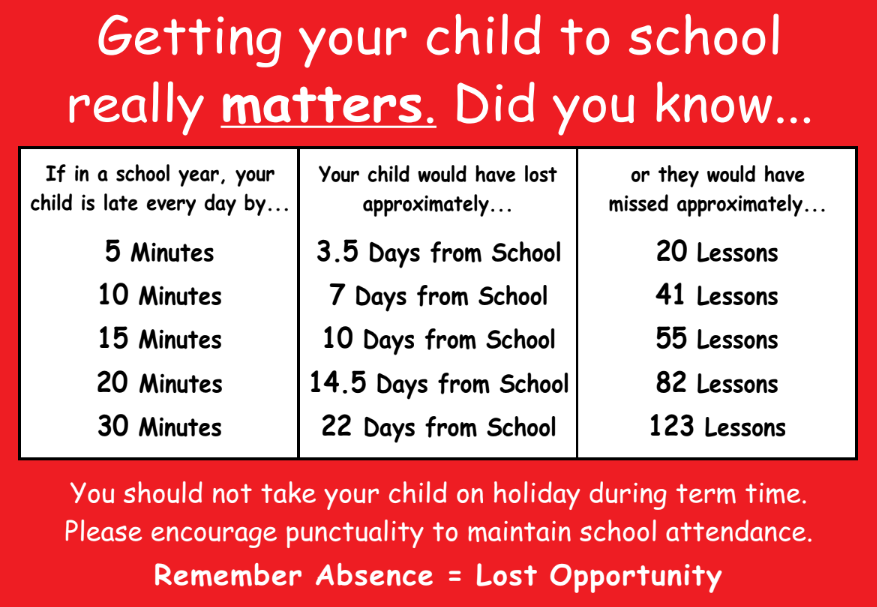
Doors will open at 8:40 AM each day and close at 8:45 AM The children will have Assembly at 8:50, and it is vital they do not miss this important part of the day. The gates will close at 8:50 AM. 

Total time in a typical week: 32 hours 30 minutes (8:45am–3:15pm, five days a week).

Anyone arriving after the doors have closed will need to sign their child into school via the electronic visitor system near the school office. A member of staff will help you with this. 

Absences will be marked as unauthorised if your child is absent from school without good reason, such a illness or an exceptional circumstance. Children arriving after the register closes (without good reason) will also be marked as an unauthorised absence.

Any unauthorised term time holidays exceeding 5 days of consecutive absence will be subject to Penalty Notices.

Attendance Strategy
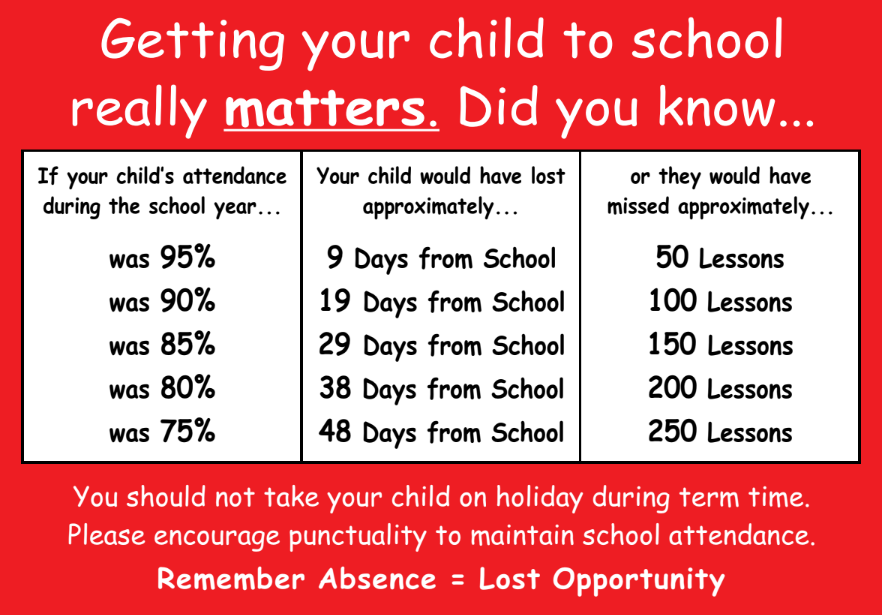
At St Paul’s, we believe that every child deserves to feel safe, valued and included. Regular attendance is essential for children to flourish academically, socially and emotionally.

We recognise that attendance difficulties can happen for a range of reasons and that some children and families may require additional support to help attendance improve successfully. Our approach combines high expectations with relational practice, early intervention and targeted support.

We believe:

  • every child deserves to belong
  • emotional safety supports attendance
  • strong relationships improve attendance
  • attendance and wellbeing are closely linked
  • support and accountability work together
  • every day in school matters

Our aim is always to work positively with families to identify and remove barriers to attendance wherever possible.


Our Attendance Approach

Universal Attendance Support

For All Children

We promote positive attendance through:

  • warm and welcoming classrooms
  • strong relationships with children and families
  • emotionally safe environments
  • engaging learning experiences
  • clear routines and expectations
  • attendance monitoring
  • early communication with families
  • celebrating attendance and improvement

Stage 1 — Emerging Concerns

Attendance Below 95%

What we may see

  • repeated lateness
  • occasional patterns of absence
  • attendance beginning to decline

What we may do

  • contact parents/carers
  • identify possible barriers
  • monitor attendance more closely
  • provide pastoral support
  • arrange informal meetings
  • agree short-term attendance targets
  • implement trusted adult support where appropriate

Stage 2 — Attendance Concern

Attendance Below 92%

What we may see

  • attendance continuing to decline
  • increasing absence patterns
  • reduced engagement with school
  • limited improvement following Stage 1 support

What we may do

  • arrange attendance meetings
  • create personalised attendance support plans
  • increase monitoring
  • provide targeted pastoral support
  • involve wider school staff where appropriate
  • identify specific barriers impacting attendance
  • implement short-term interventions
  • review attendance regularly

Stage 3 — Persistent Absence

Attendance Below 90%

What we may see

  • persistent absence
  • entrenched attendance concerns
  • significant absence patterns
  • ongoing disengagement from school
  • limited improvement despite intervention

What we may do

  • hold formal attendance meetings
  • implement individual attendance plans
  • involve senior leaders and wider professionals
  • work alongside the Local Authority Attendance Officer
  • make referrals for additional support or multi-agency involvement where appropriate
  • monitor attendance weekly
  • agree clear attendance expectations and targets
  • provide pastoral and wellbeing support
  • consider legal intervention, including penalty notices, where appropriate

Penalty Notices and Legal Intervention

Penalty notices may be issued in line with Surrey County Council and Department for Education guidance. This may include:

  • unauthorised term-time absence
  • repeated unauthorised absence
  • persistent lateness after registers close
  • ongoing attendance concerns where support and intervention have not improved attendance

Penalty notices are issued:

  • per parent
  • per child

This means that both parents may receive a separate penalty notice for each child where applicable.

Current national penalty notice charges are:

First offence within a 3-year period

  • £80 if paid within 21 days
  • increasing to £160 if paid within 28 days

Second offence within a 3-year period

  • £160 per parent, per child

Third offence within a 3-year period

  • The Local Authority may proceed directly to legal intervention or prosecution rather than issuing another penalty notice

At St Paul’s, our priority is always to work supportively and relationally with families to improve attendance before concerns escalate. However, where attendance does not improve despite support and intervention, legal procedures may be considered in line with Local Authority guidance.


Additional Attendance Support Pathways

Some children may require more individualised attendance support.

This may include children experiencing:

  • SEND needs
  • anxiety or emotionally based school avoidance (EBSA)
  • medical needs
  • regulation difficulties
  • family or safeguarding concerns

Support may include:

  • trusted adults
  • emotional check-ins
  • adapted transitions
  • pastoral support
  • sensory or regulation support
  • attendance support plans
  • SEND support
  • external professional involvement
  • family support and multi-agency working

We understand that some attendance difficulties are complex and require a relational, supportive and graduated approach.


Working Together

Strong communication between home and school is essential.

We encourage families to speak openly with us about any concerns or barriers impacting attendance so that support can be put in place as early as possible.

Our shared aim is always to ensure children:

  • feel safe
  • feel supported
  • enjoy school
  • develop confidence and belonging
  • attend successfully and consistently

For support or further information regarding attendance, please contact the school office.